

A Curious Case of Chance
It has often been said that luck is just probability dressed in mystery. Yet, whenever I find myself wandering through an online casino, there’s a moment when that logic feels distant. The spinning reels, flashing lights, and upbeat sound cues create an almost hypnotic tension. At platforms like mr-fortune, this sense of effortless luck seems handsomely designed. I sometimes wonder—are we seduced not by the chance of winning, but by the careful illusion of control we think we have?
Online casinos capitalize on that delicate psychological tug. They give us sleek registration flows, charming welcome bonuses, and just enough near misses to keep the spark alive. If probability were a person, it would likely smile proudly watching us take one more spin, chasing that tiny triumph that might never arrive. Or, sometimes, it just might.
Why We Invent Patterns
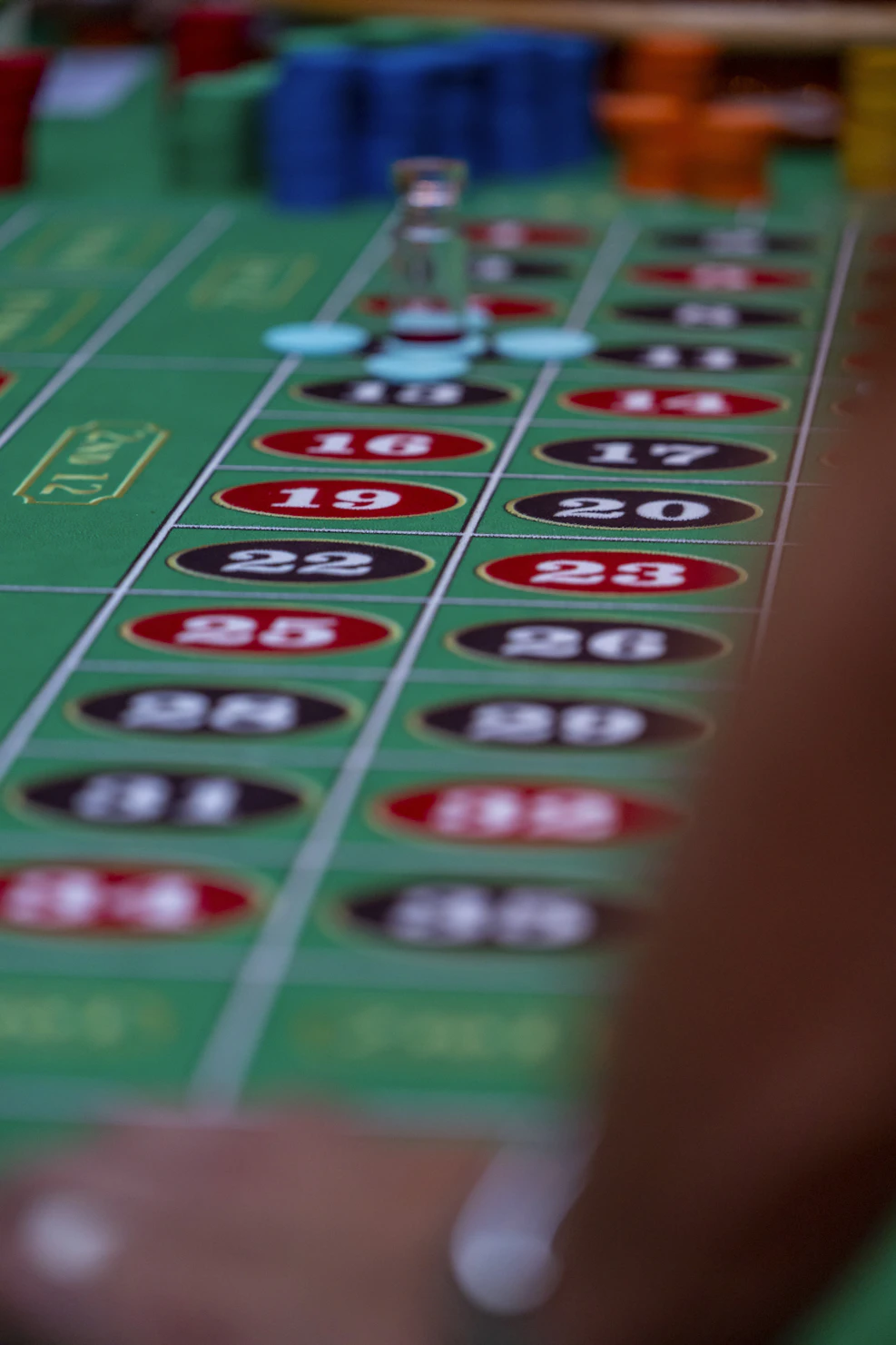
One of the most fascinating quirks of the gambling mind is our desire to make patterns out of randomness. Psychologists call this “the gambler’s fallacy”. We believe a slot that’s been cold for an hour is “due,” or that a sudden loss signals an incoming win. I admit, even when I understand it’s nonsense, I still fall for it sometimes.
This isn’t purely naivety. It’s comfort. Humans want the world, even the chaotic digital one, to make sense. Imagine watching the reels tumble without assuming some rhythm—it would feel too detached. So instead, we summon patterns where none exist. It helps that the visuals, flashing symbols, and soft hum of background music make the act feel personal, almost intimate, even though it’s just math behind the scenes.
- Slots exploit our love for rhythm, blending sight and sound.
- Progressive jackpots fuel the belief in cycles and comebacks.
The Thin Line Between Risk and Control
Every gambler secretly believes they can tame risk. It’s not arrogance, but an evolved curiosity mixed with a small streak of optimism. That’s what makes online casinos so captivating—they offer *controlled risk*. You can stop, start, deposit, cash out, all with a click. Yet, these tools blur the line between caution and compulsion.
I think it’s similar to standing at a cliff’s edge. You know the danger is real, but the rush of proximity is irresistible. Casinos harness that microdose of risk, neatly packaged through games like blackjack, roulette, and even virtual scratch cards. When payouts arrive instantly, your brain lights up, associating the risk not with danger, but reward. How strange, and yet, how human.
- Register and claim a promise—typically a bonus or free spins.
- Experience early excitement from small, frequent wins.
- Gradually chase higher stakes seeking previous sensations.
- Cross the invisible line where choice turns into habit.
Bonuses and the Comfort of Illusion
Bonuses are psychological sugar. They look generous but are calculated to keep you invested. When a casino offers a 100% match or free spins, it’s not just promotional—it’s motivational. It plants a feeling that you’re playing with free money, even when you’re not. That’s smart design, and I have to admit, somewhat admirable in its subtlety.
- Welcome bonuses mimic “gifts,” creating instant loyalty.
- Loyalty programs sustain long-term engagement through intermittent rewards.
This framework tricks the brain into thinking it’s managing risk, even if, statistically, the house edge stays the same. Bonuses soften logic, wrapping it in a velvet lining of temporary luck. You win small, you stay longer, you lose slower—until time rearranges your sense of control.
A Quick Psychological Snapshot
Table: Perceived Luck vs Real Probability
| Scenario | Perceived Luck | Actual Probability |
|---|---|---|
| Winning streak on slots | High | Low (less than 5%) |
| Near miss results | Moderate | Statistically irrelevant |
| Triggering bonus feature | Extremely lucky | Usually 1 in 200–300 spins |
FAQ
Q: Can understanding psychology make me luckier in gambling?
A: Not exactly. Psychology can help you recognize biases, which might help you play smarter, but it won’t change probabilities.
Q: Are online casinos manipulating luck?
A: No, the systems are mathematically bound to randomness. What they influence is your sense of timing and expectation.
Q: How can I manage my risk when playing online?
A: Setting deposit limits, taking breaks, and playing only for entertainment are practical ways to stay in control.